
How to Build a SaaS Product in 2026: A Complete Guide for Scalable Growth
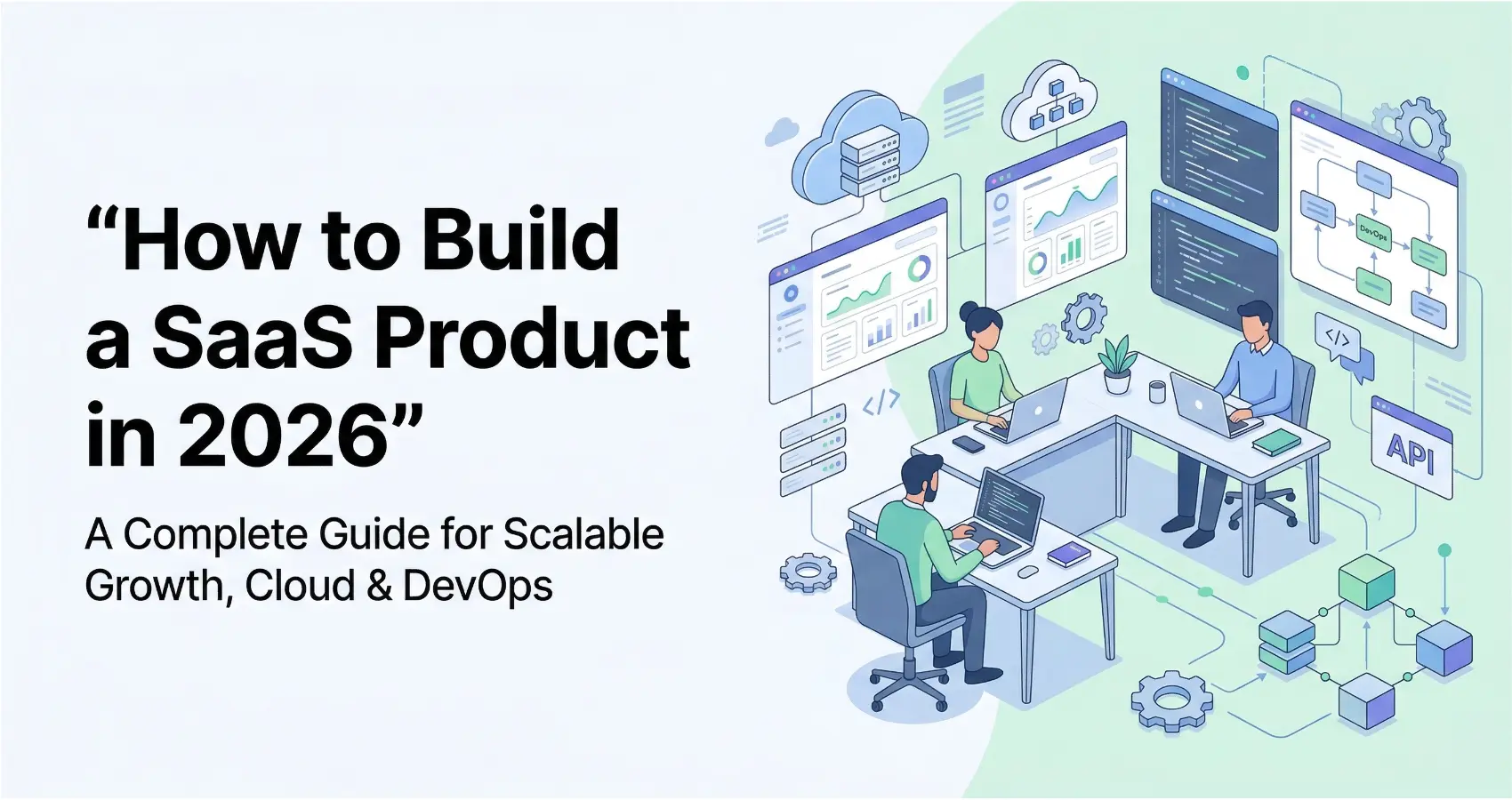
Building a SaaS product today is no longer just about launching software — it’s about creating a system that can grow with your business. Many companies start with a great idea, but as users increase and operations expand, their technology begins to struggle. Performance drops, deployments become risky, and scaling becomes difficult.
This is where a structured approach to SaaS development becomes essential. At ZepoteQ, the focus is on building platforms that are not only functional but also scalable, reliable, and ready for long-term growth.
Understanding SaaS in the Modern Business Landscape
A SaaS product is a cloud-based application that users access through the internet instead of installing locally. This model has become dominant because it allows businesses to deliver software continuously while maintaining control over performance, updates, and security.
What makes SaaS powerful is its ability to serve multiple users simultaneously while adapting to changing demands. Whether it’s a startup launching a new product or an enterprise modernizing its systems, SaaS provides the flexibility required to scale efficiently.
Why Scalability Matters from the Beginning
One of the biggest mistakes businesses make is treating scalability as a future requirement. In reality, scalability should be part of the foundation.
When a SaaS platform is built without scalability in mind, it often leads to performance issues as traffic grows. Systems may slow down, integrations become difficult, and upgrading infrastructure turns into a costly process.
ZepoteQ approaches SaaS development with scalability at its core. By designing systems that can handle growth from day one, businesses avoid major technical roadblocks later.
From Idea to Strategy: The First Step in SaaS Development
Every successful SaaS product begins with a clear understanding of the problem it solves. Instead of jumping directly into development, it is important to validate the idea and define a structured product strategy.
This stage involves identifying the target audience, understanding their needs, and defining the core value of the product. It also includes planning how the product will evolve over time.
At ZepoteQ, this phase ensures that businesses are not just building software, but building the right software.
Building an MVP That Drives Early Growth
Launching with a full-featured product is rarely the best approach. A smarter strategy is to start with a Minimum Viable Product (MVP).
An MVP focuses on solving the primary problem with essential features. This allows businesses to enter the market quickly, gather feedback, and improve the product based on real user behavior.
Instead of investing heavily in unnecessary features, companies can grow their product step by step while reducing risk.
Designing a Scalable Architecture
The architecture of a SaaS platform determines how well it can grow. A strong architecture allows the system to handle increasing users, data, and complexity without affecting performance.
Modern SaaS platforms are built using cloud-native systems and modular components. This makes it easier to scale different parts of the system independently.
ZepoteQ uses scalable architecture principles to ensure that businesses can expand their platforms without rebuilding them from scratch.
👉 Explore more: https://zepoteq.com/services/
The Role of Cloud in SaaS Growth
Cloud infrastructure plays a critical role in SaaS development. It provides the flexibility to scale resources based on demand, ensuring consistent performance even during peak usage.
Unlike traditional hosting, cloud platforms allow businesses to grow without worrying about infrastructure limitations. This makes it possible to handle everything from small user bases to large-scale operations.
By leveraging cloud technologies, ZepoteQ helps businesses build platforms that are both flexible and cost-efficient.
DevOps: Enabling Speed and Stability
As SaaS platforms grow, managing updates and deployments becomes more complex. Without proper systems in place, even small changes can lead to major issues.
DevOps solves this by introducing automation into the development and deployment process. It ensures that updates are tested, deployed, and monitored efficiently.
With DevOps practices, businesses can release features faster while maintaining system stability.
Creating a Seamless User Experience
A SaaS product must be easy to use. No matter how powerful the platform is, users will leave if the experience is complicated or slow.
That’s why ZepoteQ emphasizes user-centric design. The goal is to create interfaces that are intuitive, responsive, and aligned with user expectations.
Performance optimization also plays a key role, ensuring that the platform remains fast and reliable even under heavy usage.
Security as a Core Component
Security is not something that can be added later. It must be integrated into the system from the beginning.
SaaS platforms handle sensitive data, making it essential to implement strong security measures. This includes secure authentication, data protection, and controlled access.
By prioritizing security, businesses can build trust and ensure long-term success.
Continuous Growth After Launch
Launching a SaaS product is just the starting point. Real success comes from continuous improvement.
As user behavior evolves, the platform must adapt. This includes adding new features, improving performance, and optimizing the overall experience.
ZepoteQ supports businesses beyond development by providing ongoing monitoring and optimization, ensuring that the platform continues to perform as it grows.
👉 View our work: https://zepoteq.com/portfolio/
The Future of SaaS Development
The SaaS industry is evolving rapidly, with new technologies shaping how platforms are built and used. Artificial intelligence, automation, and data-driven systems are becoming standard features in modern SaaS products.
Businesses that embrace these innovations will be better positioned to stay competitive and deliver better user experiences.
Conclusion
Building a SaaS product in 2026 requires more than technical skills. It requires a strategic approach, scalable architecture, and the ability to adapt to change.
ZepoteQ helps businesses turn ideas into scalable SaaS platforms by combining cloud infrastructure, DevOps automation, and modern development practices.
If you’re planning to build a SaaS product, focusing on scalability from the beginning can make all the difference between short-term success and long-term growth.