
What's the Difference Between Frontend and Backend Development?
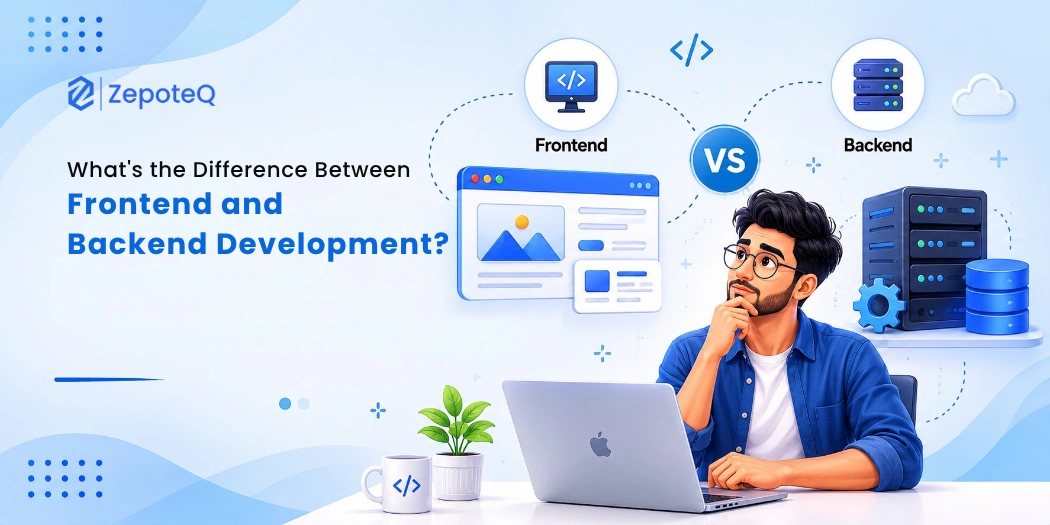
In the world of web development, understanding the distinction between frontend and backend development is critical. These two areas form the backbone of every website, application, or digital product. While frontend development focuses on what users see and interact with, backend development manages the data, server, and application logic that powers the site.
Businesses and aspiring developers often get confused about these roles, yet each is essential for delivering a functional, user-friendly, and secure web experience. In this blog, we’ll break down the differences, tools, best practices, and law-compliant considerations for frontend and backend development.
What is Frontend Development?
Frontend development, also known as client-side development, deals with everything a user sees on their screen. This includes layout, design, interactivity, and responsiveness.
Key Responsibilities
- Creating visually appealing and intuitive interfaces
- Implementing responsive design for mobile, tablet, and desktop
- Ensuring cross-browser compatibility
- Optimizing page load speed and accessibility
Common Frontend Technologies
- HTML: Structures content on the web
- CSS: Styles content and layouts
- JavaScript: Adds interactivity and dynamic features
- Frameworks/Libraries: React, Angular, Vue.js for scalable applications
Frontend developers work closely with designers and UX/UI teams to translate visual concepts into functional, interactive web pages.
What is Backend Development?
Backend development, or server-side development, focuses on the behind-the-scenes processes that power a website or application.
Key Responsibilities
- Managing databases and server-side logic
- Handling user authentication and authorization
- Processing requests and responses between server and client
- Ensuring data security and compliance with laws like GDPR
Common Backend Technologies
- Programming Languages: Python, Java, PHP, Ruby, Node.js
- Databases: MySQL, PostgreSQL, MongoDB
- Server Frameworks: Django, Express.js, Laravel, Spring Boot
- API Development: RESTful services, GraphQL
Backend development ensures that data is properly stored, retrieved, and secured, allowing the frontend to display information accurately.
Frontend vs Backend Development : Key Differences
Feature | Frontend | Backend |
Focus | User interface, design, interactivity | Server, database, business logic |
Language | HTML, CSS, JavaScript | Python, Java, PHP, Node.js |
Tools | React, Angular, Vue | Django, Express.js, Laravel |
Visibility | Visible to users | Invisible to users |
Responsibilities | Layout, design, UX, responsiveness | Data storage, security, server management |
Understanding these differences helps businesses assign roles effectively and helps developers specialize in areas that suit their skills.
Full-Stack Development
Full-stack developers manage both frontend and backend development. This role requires a comprehensive understanding of both worlds, bridging the gap between user experience and server-side functionality.
Advantages
- Streamlines communication between frontend and backend teams
- Reduces project costs for small businesses
- Speeds up deployment and troubleshooting
Tools for Full-Stack Development
- MEAN Stack: MongoDB, Express.js, Angular, Node.js
- MERN Stack: MongoDB, Express.js, React, Node.js
- LAMP Stack: Linux, Apache, MySQL, PHP
Law Compliance in Web Development
Modern web applications must adhere to legal and regulatory standards to protect users and businesses:
- Data Privacy
- Backend systems must store user data securely
- Comply with GDPR, CCPA, or local regulations
- Secure Transactions
- Use HTTPS and encryption protocols
- Protect sensitive information like credit card or health data
- Frontend Accessibility Compliance
- Ensure web content is accessible to all users (WCAG standards)
- Prevent discrimination in public-facing applications
- Audit and Logging
- Keep logs for server activity for transparency
- Helps in troubleshooting and legal compliance
By combining secure backend processes and accessible frontend design, developers can create law-compliant, reliable web applications.
Best Practices for Frontend Development
- Use responsive frameworks for mobile-first design
- Optimize images and scripts for fast loading
- Test across multiple browsers for compatibility
- Follow accessibility guidelines (WCAG)
- Implement SEO-friendly design
Best Practices for Backend Development
- Use responsive frameworks for mobile-first design
- Optimize images and scripts for fast loading
- Test across multiple browsers for compatibility
- Follow accessibility guidelines (WCAG)
- Implement SEO-friendly design
Choosing the Right Development Approach for Your Project
- Small Websites: Simple frontend with CMS backend (WordPress, Joomla)
- E-Commerce Platforms: Full-stack or backend-heavy solutions to handle inventory, payments, and user accounts
- Web Applications: Require strong backend logic with dynamic frontend for user interaction
- Startups & MVPs: Lean full-stack solutions to speed up development and launch
Tools and Technologies to Consider
Frontend
- HTML, CSS, JavaScript – Essential building blocks
- React, Angular, Vue.js – Modern frameworks for dynamic interfaces
- Bootstrap, Tailwind – CSS frameworks for responsive design
Backend
- Python, Node.js, Java, PHP – Popular server-side languages
- Django, Express.js, Laravel – Frameworks for structured backend development
- MongoDB, MySQL, PostgreSQL – Database management systems
Conclusion
Understanding the difference between frontend and backend development is critical for anyone building a web application or website.
- Frontend developers ensure user experience, accessibility, and interface design
- Backend developers focus on server-side logic, data management, and law compliance
- Full-stack developers bridge both worlds, creating seamless, efficient applications
By adhering to law-compliant, secure practices and following modern best practices, businesses can deliver high-quality, reliable, and safe web applications.
Zepoteq empowers organizations and developers with resources, guides, and training for building secure, scalable, and law-compliant web applications.
FAQ's
1. What is the main difference between frontend and backend development?
Frontend is the user interface; backend is the server, database, and application logic.
2. Can one developer handle both frontend and backend?
Yes, a full-stack developer can manage both, combining frontend design and backend logic.
3. Why is law compliance important in backend development?
Backend stores user data; law compliance ensures privacy, security, and protection against legal issues.
4. Which languages are used in frontend development?
HTML, CSS, and JavaScript are the primary languages, often enhanced by frameworks like React or Angular.
5. Are there security risks in backend development?
Yes, improper data handling can lead to breaches; secure coding, encryption, and compliance are essential.